News
What to Do When a Loved One Says, “I’m Fine”
One of the difficult parts of aging is knowing when to step in to help loved ones and what to do when the loved ones insist they don’t need help. How do we keep them as independent as possible while also providing the support they need so they can continue to enjoy all the things that are important to them?
For many seniors, the phrase “I’m fine” is about far more than the situation itself. Often, it’s rooted in other emotions such as fear, uncertainty, or the emotional weight of accepting change.
Why Seniors May Resist Help
Accepting help can feel deeply personal.
For someone who has been caring for others, raising a family, working, and living independently, accepting support can feel tied to losing freedom, privacy, dignity, or control.
In some cases, physical or cognitive changes happen gradually. Seniors may genuinely not recognize how much their abilities have changed over time. Others may minimize concerns because they don’t want to feel like a burden to family members.
Sometimes, “I’m fine” doesn’t literally mean everything is fine. It may actually mean:
- "I'm scared."
- "I don't want to lose my independence."
- "I'm not ready to face this."
- "I don't want to worry or burden you."
Understanding the emotion underneath the response is an important step in supporting our loved ones.
The Risks of Waiting Too Long
When concerns are continually ignored or minimized, small challenges can slowly become serious safety risks.
Common concerns may include:
- Falls or mobility issues
- Medication mistakes
- Poor nutrition or dehydration
- Unsafe driving
- Memory-related issues
- Social isolation
Families may also experience some emotional exhaustion trying to balance respecting a loved one’s independence while worrying about safety.
Unfortunately, sometimes families wait until there is a crisis...a fall, hospitalization, or emergency...before taking action. By then, options may feel more limited, decisions more overwhelming and a process more rushed.
A Proactive Approach: Collaboration, Not Confrontation
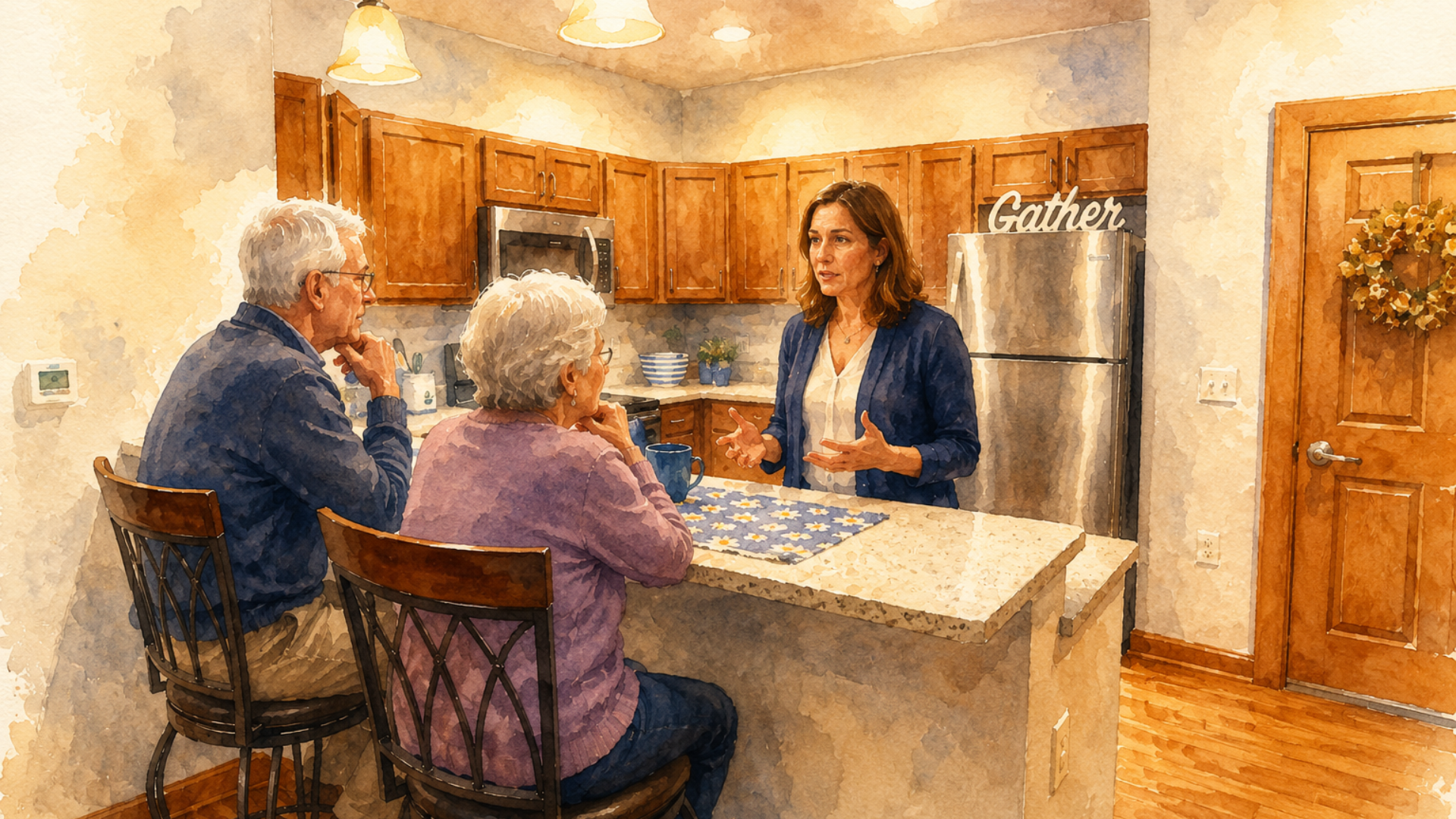
In many situations, the most effective conversations come from empathy rather than pressure.
Instead of focusing on what a loved one “can’t” do, it can help to focus on maintaining quality of life, safety, and independence.
Simple, open-ended questions can create more productive, positive conversations:
Introducing support gradually can also make a big difference.
Offering choices is also especially important. Seniors are often more receptive when they feel included in decisions rather than feeling decisions are being made for them.
The goal should never be taking independence away—it should be helping preserve safety, dignity, and quality of life.
You Don’t Have to Navigate These Conversations Alone
At OAK PARK® Place, we understand these conversations may not be easy. Our team works with families every day to help navigate questions around safety, independence, and next steps with compassion, education, and support. Sometimes, simply starting the conversation is the most important first step. Give us a call — we’re happy to talk, answer questions, and help you think through options with no pressure.